Where to Stay for a Budapest Bath Trip (and the Truth About Hotels With Their Own Thermal Water)
Pick the bath first, then the pillow. The right base turns a Budapest soak into a five-minute stroll instead of a cross-town mission.
 Written with Gábor Kovács, Budapest thermal bath specialist and spa experience guide
Short answer
Stay beside City Park or along the M1 metro line if Széchenyi is your priority; the line stops at a station named after the bath. Choose the Buda riverfront for Rudas and Veli Bej. Only a handful of hotels tap real thermal water and access rules change, so check the hotel's own spa page before booking. The public baths out-deliver most hotel spas anyway.
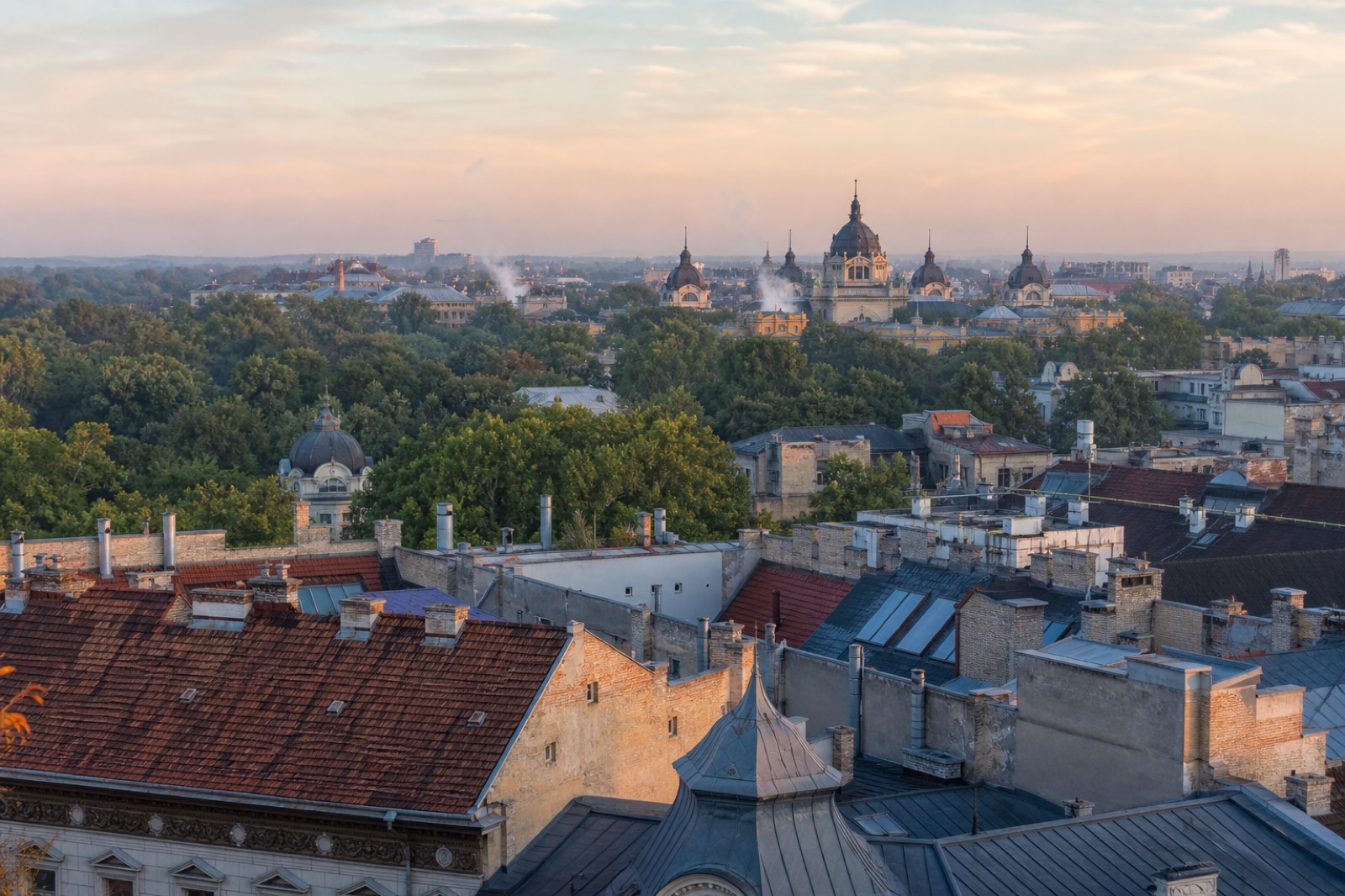
Steam over City Park at eight in the morning has a smell, faintly mineral, a little like warm stone after rain. When I walk guests over from a hotel two streets away, they arrive relaxed and first in line. When they come from the far side of the river, they arrive asking about tram tickets and where to find coffee. Same bath, very different morning. After a few years of doing these walks I can tell you the honest truth: where you sleep shapes your bath trip more than which robe the hotel hangs in the wardrobe. Budapest sits on more than 100 medicinal springs, so the water is never far. Your job is just to not put a whole city between yourself and it.
Where should you stay for a bath trip?
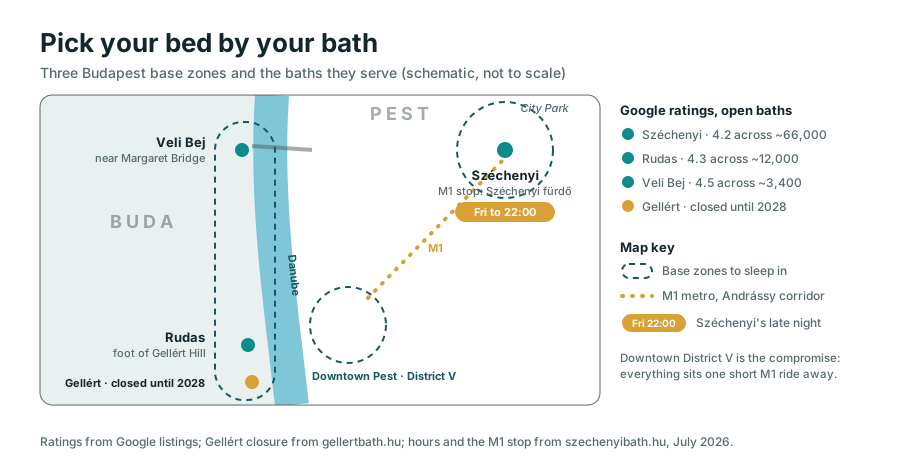
Stay along the M1 metro corridor or beside City Park if Széchenyi is your main event, since the little yellow line stops at a station named after the bath. Pick the Buda riverfront if you care more about Rudas or Veli Bej. Downtown Pest works as a fair compromise between the two sides.
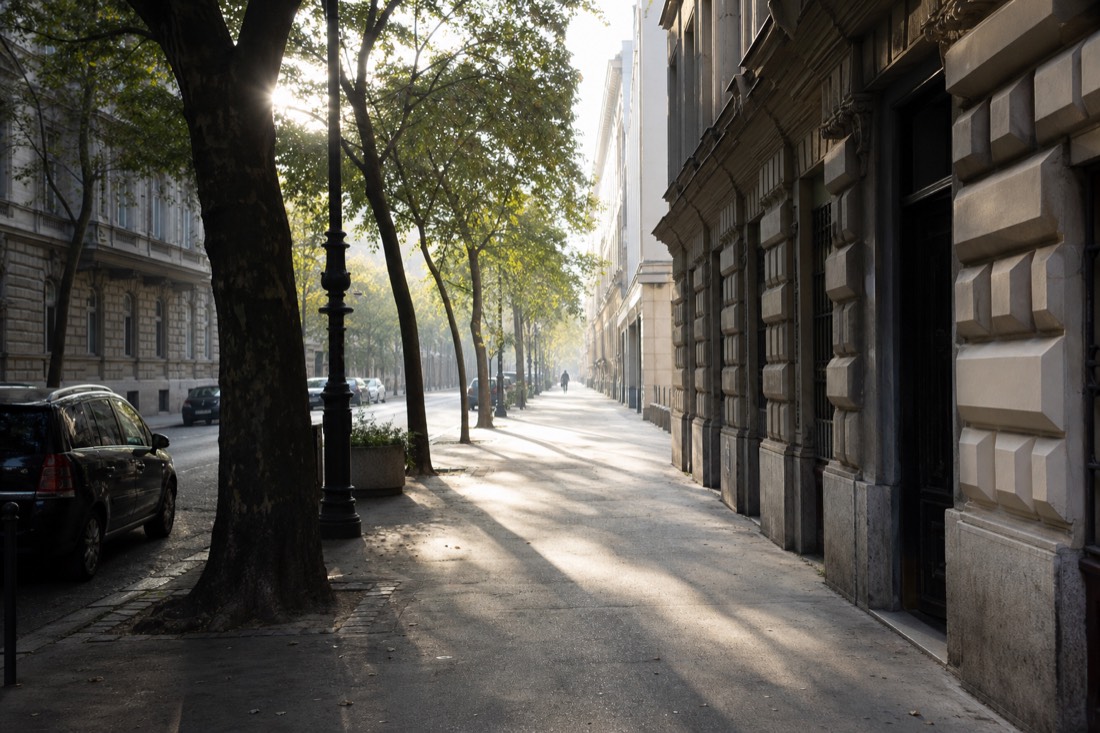
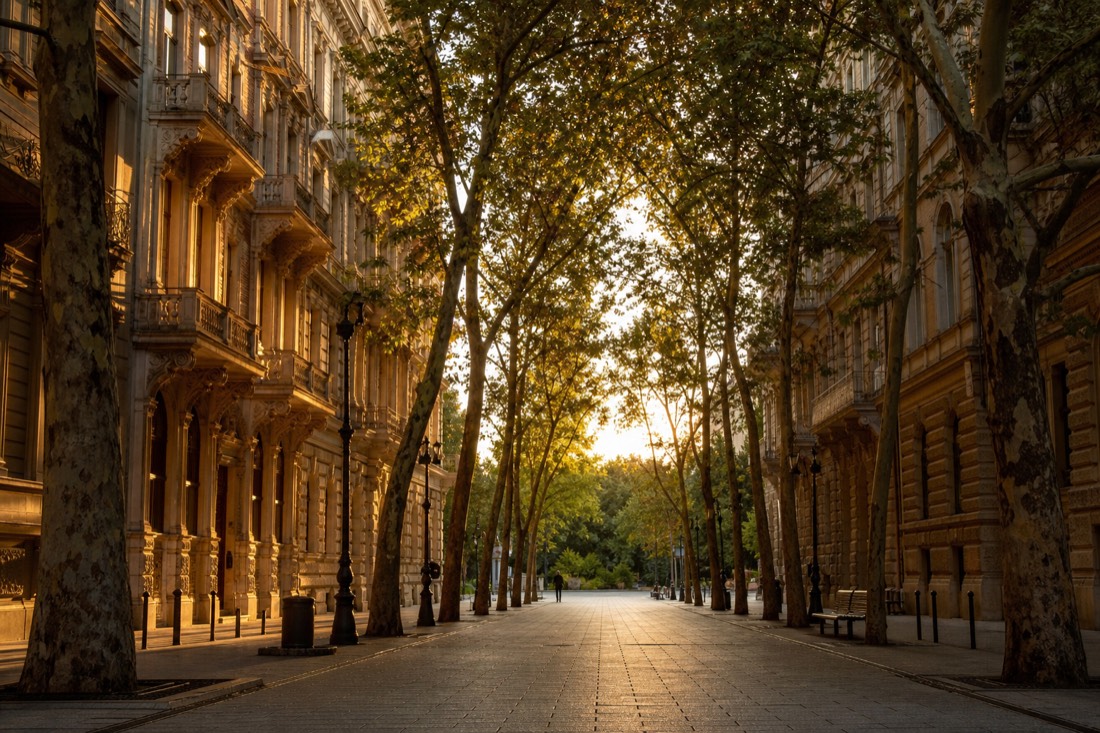
Think of the city as three sensible bases. The first is the City Park edge and the streets around Andrássy Avenue on the Pest side. From here Széchenyi is either a short walk or a few stops on the M1, and you can do the trick I push on everyone: arrive right at opening, before the tour groups. Guests who stay out here tell me the early soak is the best hour of their whole trip, and the reviews I keep on file say the same thing over and over, go early, beat the crowds.
The second base is downtown Pest, the fifth district. You give up the five-minute walk but gain the restaurants, the river, and the widest hotel choice in the city. The M1 picks you up in the middle of it all, so Széchenyi stays an easy ride away.
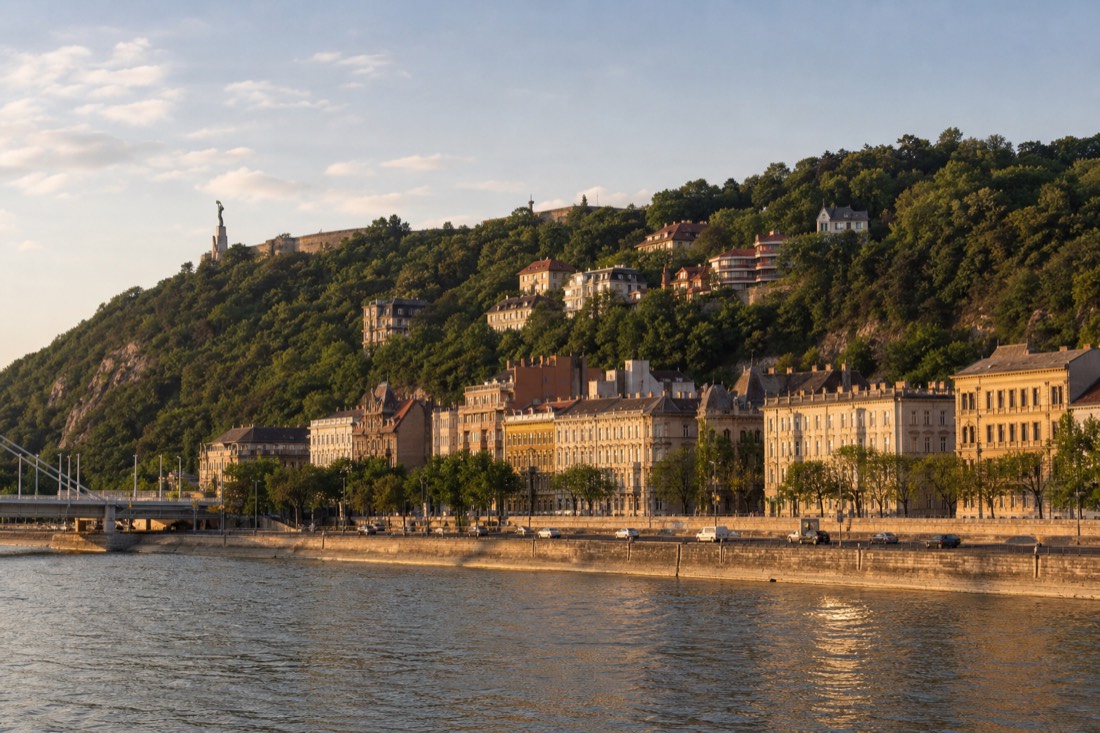
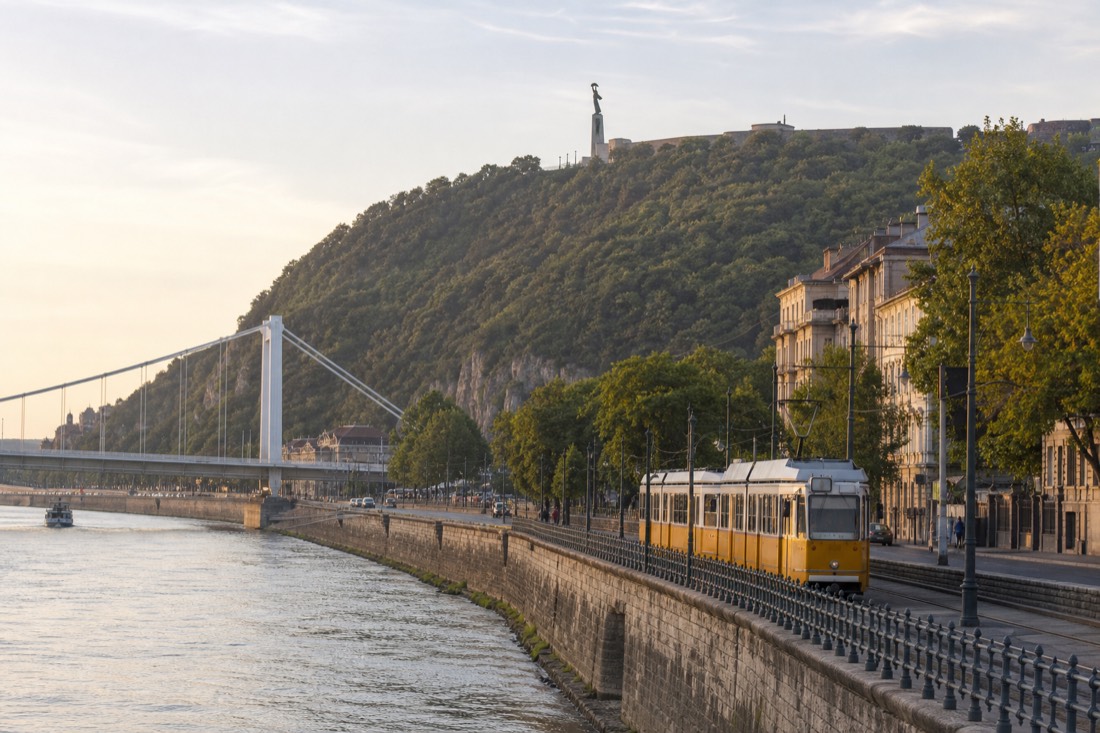
The third is the Buda riverfront. Rudas sits at the foot of Gellért Hill, an Ottoman-era bath under a real Turkish dome, and Veli Bej hides near Margaret Bridge on the Buda side. Both are quieter than Széchenyi and locals rate them well, Rudas at 4.3 across roughly 12,000 Google reviews and Veli Bej at 4.5 across about 3,400. If Buda wins, the Rudas day pass with a 3-course meal is the one you can lock in before you fly. Buda evenings are calmer too, which is either the point or the problem depending on your trip.
Which neighborhood fits which bath?
Stay on the City Park edge or along Andrássy Avenue for Széchenyi, in the downtown fifth district if you want restaurants plus an easy metro ride, and on the Buda riverfront if Rudas or Veli Bej is the bath you actually care about. Each base trades soaking time against evening life.
Here is how I lay it out for guests who ask me to just decide for them.
| Base area | Closest soak | Who it suits | The honest trade-off |
|---|---|---|---|
| City Park edge (Pest) | Széchenyi, walking distance | Bath-first travellers, early risers | Quieter evenings, fewer restaurants at your door |
| Andrássy Avenue and Oktogon | Széchenyi via M1, a few stops | People who want cafés and a fast bath run | You ride the metro instead of strolling over |
| Downtown fifth district | Everything via M1 or a river walk | First-time visitors balancing sights and soaks | Nothing is at your door, everything is close-ish |
| Gellért Hill foot (Buda) | Rudas, walking distance | Couples, Ottoman-bath romantics | Crossing to Pest for dinner becomes a small mission |
| Margaret Bridge, Buda side | Veli Bej, walking distance | Repeat visitors chasing the local feel | Least central of the five, more residential |
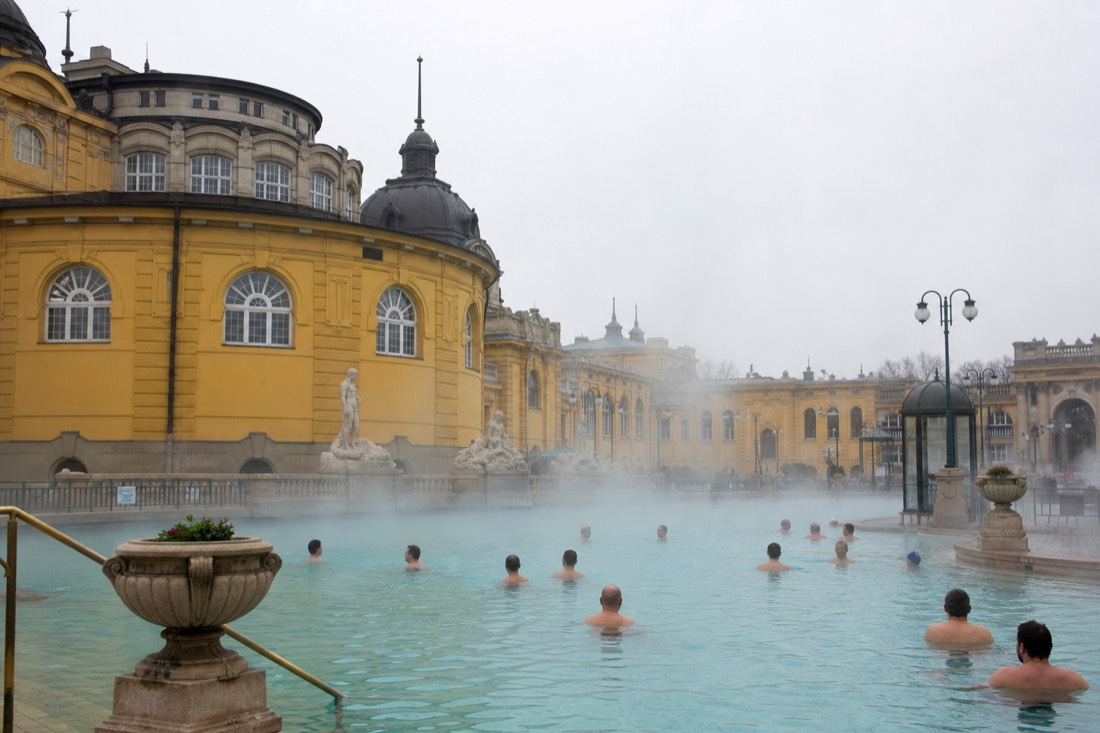
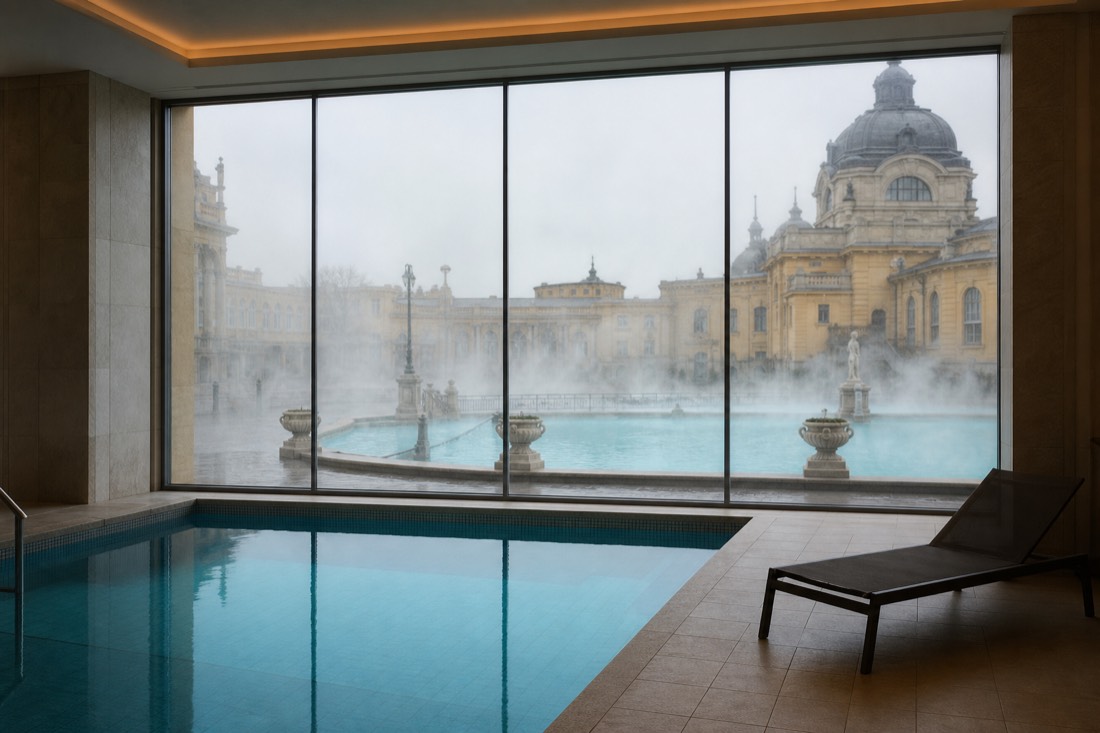
One warning from experience. People book Buda thinking every famous bath is over there, then discover the one they actually pictured, the big yellow palace with the outdoor pools, is Széchenyi, in City Park on the Pest side. Check which bath you are imagining before you commit to a riverbank. The photos that sell Budapest are almost all taken in that one courtyard.
If two of you are choosing between a romantic Buda bolt-hole and the Pest bath machine, I wrote up how couples tend to split that decision in my piece on Budapest baths for couples.
Do any Budapest hotels have their own thermal water?
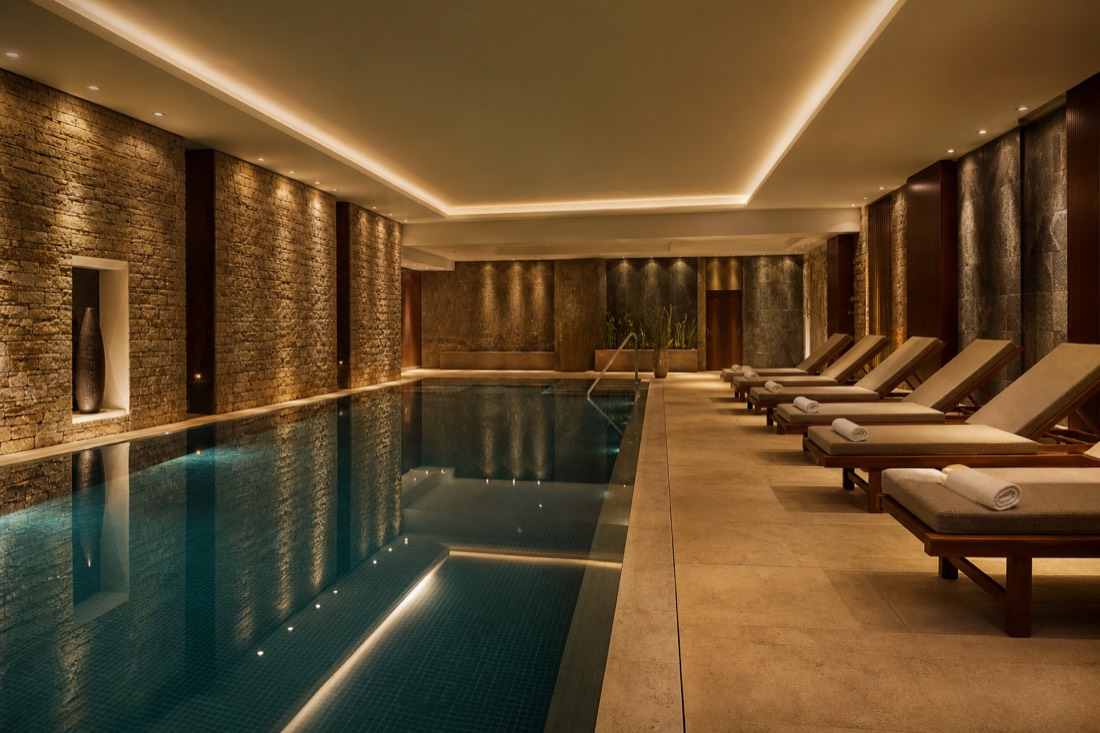
A handful of Budapest hotels do tap genuine thermal water, but the list is short, access rules shift, and spa floors close for maintenance with little notice. Before you book on that promise, read the hotel's own spa page for current conditions. Most visitors get far more from the public baths.
I will not hand you a list of hotel names here, and that is deliberate. Hotel spa arrangements in this city change: pools get renovated, thermal sections switch to residents-only hours, wellness floors close for a season. A list that was accurate when I wrote it becomes a small betrayal six months later. The reliable move is boring and effective. Shortlist your hotels, open each one's own spa page, and look for the words thermal water rather than just pool or wellness. If the page is vague, the water is usually municipal.
The cautionary tale is Gellért. For a century the bath beside the hotel of the same name was the postcard answer to this exact question, and plenty of older articles still send people there. The Gellért bath has been closed since October 2025, with reopening planned for 2028. Guests still arrive with it on their itinerary. If a page you are reading presents it as bookable, stop trusting that page; I keep a current rundown of which Budapest baths are open for exactly this reason.
Hotel spa or public bath: which one actually delivers?
The public baths win on almost everything that matters: the water itself, the scale, the atmosphere, and the cost per hour of actual soaking. A hotel spa wins on privacy, late access, and zero logistics. If you have to choose, book a hotel you simply like and spend the difference on a full bath day.
I have soaked at Széchenyi more times than I can count, and I have padded around my share of hotel wellness floors. They are different animals. A hotel pool at 30 degrees with six loungers is pleasant. Széchenyi's outdoor thermal pool sits at 36 to 38 degrees under open sky, with the medicinal pools indoors running 28 to 40, and the whole thing hums with a century of habit, chess players included. One is an amenity. The other is the reason you flew here.
| What you care about | Hotel spa | Public thermal bath |
|---|---|---|
| The water | Often heated tap water, thermal only in rare cases | Genuine mineral thermal water from the city's springs |
| Variety | One or two pools, a sauna | Many pools across a wide temperature range, saunas, steam |
| Atmosphere | Quiet, private, samey worldwide | Grand architecture, locals, rituals, chess in the water |
| Hours | Often late-night access for guests | Fixed public hours, Friday late openings at Széchenyi |
| Crowds | Minimal | Real, especially midday in the courtyard |
| Cost logic | Bundled into the room rate | Pay per visit, current prices in my Budapest bath prices guide |
| Booking certainty | Depends on the hotel's current spa policy | Buy a dated ticket and the day is locked |
My honest position: treat a genuine hotel thermal pool as a bonus if you happen to find one, never as the plan. The plan is a proper bath day. For Széchenyi that means the Széchenyi full-day pass, which includes a locker or a private cabin and cancels free up to 24 hours ahead, and you can check live availability and prices on GetYourGuide before you even pick the hotel. It carries a 4.3 rating across 26,787 reviews there, which is a bigger sample than any hotel spa will ever show you. Small group trick from those same reviews: friends book one cabin between them for the changing, then take lockers for the rest. If you are weighing Széchenyi against the other baths first, my comparison page puts them side by side.
How do you get to Széchenyi from downtown?
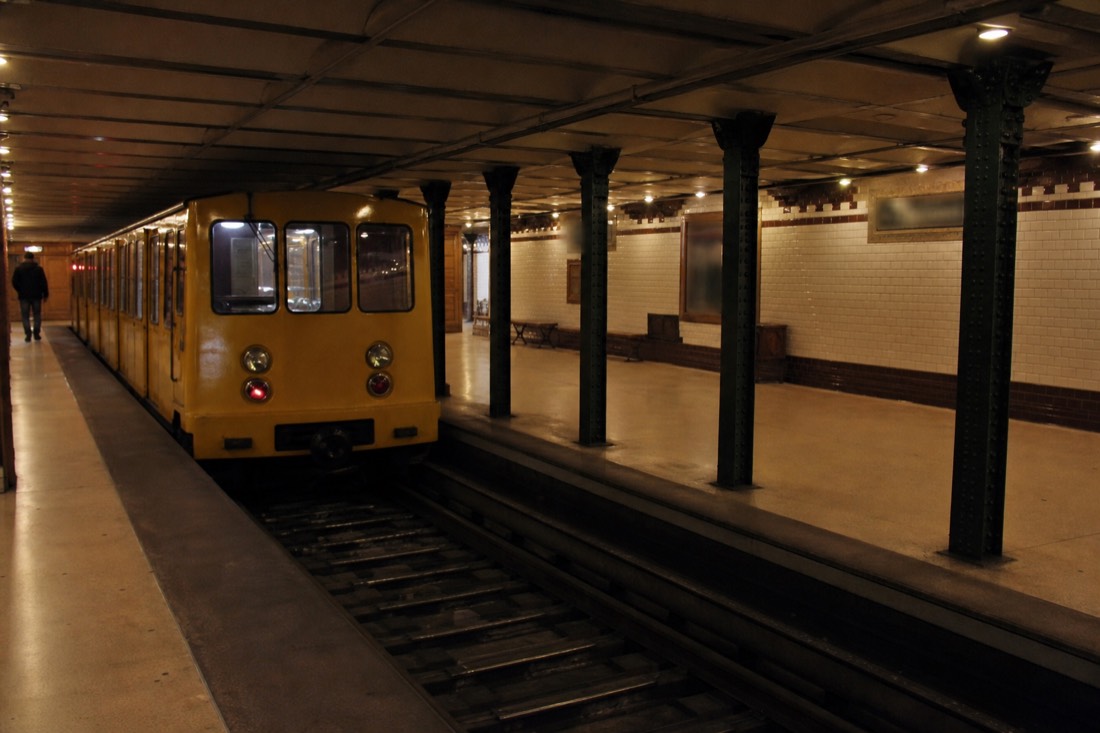
Take the M1, the little yellow metro under Andrássy Avenue. It runs from the middle of downtown Pest straight to a stop called Széchenyi fürdő, which drops you practically at the bath's entrance in City Park. Trains come every few minutes, and the ride is short enough to do with a swimsuit under your clothes.
The M1 is half transport, half attraction. It is a shallow little line, tiled stations, short trains, and it surfaces you at Széchenyi fürdő station within sight of the bath at Állatkerti körút 9-11. Coming from a downtown hotel, you board near the river end of Andrássy, ride past Oktogon and Heroes' Square, and you are there before your coffee cools. No transfers, no map-staring. This is why I tell bath-first travellers that any hotel near an M1 stop counts as "near Széchenyi" for practical purposes, even if the pin on the map looks far.
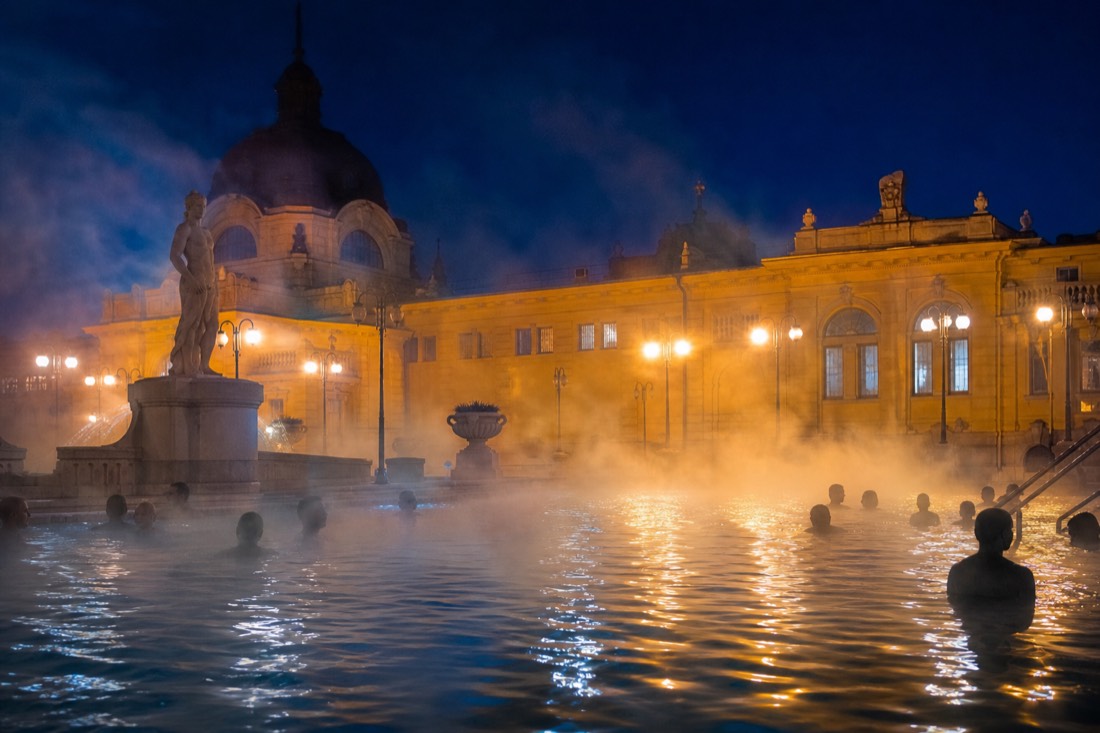
A taxi from downtown works fine too, and after a long evening soak it is the comfortable choice. There is a real reason to plan for one: Fridays. Per the official Széchenyi hours, the bath runs 07:00 to 20:00 Monday to Thursday, but stays open to 22:00 on Fridays, with weekends at 08:00 to 20:00. That Friday 22:00 window is the quietest lovely slot of the week, floodlit steam and half the crowd, and it ends after the point where a metro ride home feels like effort. Guests who plan their Friday around it thank me later.
One habit worth copying from the regulars: pack flip-flops and your own towel in a small bag and travel light. Every batch of guest reviews I read repeats it, and it turns the trip from downtown into a genuine errand-free glide.
What would a bath-first weekend look like?
Build the weekend around opening hours: a late Friday soak at Széchenyi, which stays open to 22:00 that night, a quieter Buda bath on Saturday, Sparty after dark if that is your speed, then one last early swim on Sunday. Two nights near the M1 line makes all of it walkable or one short ride.
This is the shape I sketch for guests who have exactly two nights and want water in all of them.
| When | The move | Why it works |
|---|---|---|
| Friday evening | Széchenyi until 22:00 | Friday is the late-opening night; arrive after dinner and soak under the lights |
| Saturday morning | Rudas or Veli Bej on the Buda side | Ottoman domes, smaller crowds, a completely different mood from the big courtyard |
| Saturday night | Sparty at Széchenyi, 18+ | Runs every Saturday; official 2026 tiers go from €59 basic to €143 top tier, before drinks |
| Sunday morning | Széchenyi from 08:00, or a 45-minute beer spa session | Weekend opening is 08:00; the beer spa sits at Entrance One of Széchenyi, third door on the left |
A few notes on that grid. Sparty is a party, not a soak, drinks run on a cash-loaded card and past guests call them pricey, so budget for the night honestly; the Sparty ticket page covers what each tier includes. The Sunday beer spa is the gentler landing, a private tub with its own beer tap, rated 4.7 across 58 GetYourGuide reviews, a small sample but a happy one. And if the weekend is a two-person occasion, the Buda-morning slot is the romantic core of it.
Where does the hotel go in all this? Anywhere along the M1 or the City Park edge. Friday night, Saturday night and Sunday morning all orbit the same corner of the park, so sleeping near it saves you three cross-town journeys in 48 hours. That is the whole strategy: not a hotel with thermal water, but a hotel positioned so the real thermal water is never more than minutes away.
How far is each bath from the main hotel areas?
Measure it in modes, not minutes. From the City Park edge Széchenyi is a walk; from Andrássy Avenue or downtown it is a few stops on the M1; from the Buda riverfront it is a river crossing plus the metro, or a taxi. Rudas and Veli Bej flip that map: walkable from their own stretch of Buda, a bridge away from anywhere in Pest.
I stopped printing minute figures years ago. They depend on where in the district your hotel actually sits, how fast you walk with a damp towel in your bag, and whether the M1 train is pulling in as you reach the platform. What holds true from one guest to the next is the mode: a walk, a metro hop, a bridge crossing, or a taxi. Get the mode right and the day plans itself. Get it wrong and you spend your soaking budget on public transport.
| Your base | To Széchenyi (City Park, Pest) | To Rudas (foot of Gellért Hill, Buda) | To Veli Bej (Margaret Bridge, Buda) |
|---|---|---|---|
| City Park edge | Walk, swimsuit already on | M1 downtown, then a bridge walk or a taxi | Cross-town; a taxi is the sane choice |
| Andrássy Avenue, Oktogon | M1, a few stops, no change | M1 to the river end, then walk across | Tram or walk over Margaret Bridge |
| Downtown fifth district | M1, a few stops, no change | A bridge walk from the embankment | Over Margaret Bridge, tram or on foot |
| Foot of Gellért Hill (Buda) | Cross to Pest, then the M1; allow a proper journey | Walk | Along the Buda embankment, tram or taxi |
| Margaret Bridge, Buda side | Cross-town, taxi or two changes | Down the Buda embankment, tram or taxi | Walk |
Read the grid by column when you already know which bath you want. Read it by row when the hotel is booked and you are deciding which bath gets which morning. Two things stand out either way. Széchenyi's column is friendly to every Pest base thanks to that one metro line, which is why I keep calling the M1 corridor the default. And the Buda column pairs badly with the Pest column on the same day, so a bath-first traveller who wants both banks should give each bank its own morning, not both before lunch.
One more geography note. Old advice about staying beside Gellért for its bath is void until 2028; the working bath on that stretch of Buda is Rudas, and I have a full walkthrough of Rudas and its single-sex schedule plus a separate look at Veli Bej, the small Ottoman bath by Margaret Bridge, which is briefly closed for maintenance in the second half of August 2026 and sells tickets at the door only.
How much time should you allow for a bath run from the hotel?
Allow half a day, even for a visit you think of as quick. A few minutes to reach the metro, a short ride, a moment at the entrance, around twenty minutes in the changing hall, then soaking in blocks of about twenty minutes per hot pool, which is the bath's own guidance. Rushing is the one reliable way to waste the ticket.
Guests underestimate this every week. They picture the pool and forget the corridor, the locker key that will not turn, the queue for the hairdryer. So I hand out allowances instead of estimates. They are generous on purpose; nobody has ever complained about finishing a bath day early.
| Stage | My planning allowance | What eats the time |
|---|---|---|
| Room to metro platform | Ten minutes from any M1-adjacent hotel | Finding the right entrance to the shallow little stations |
| M1 ride | A few stops, no change | Waiting for the next train, then the surface walk to the gate |
| Entrance and ticket check | Ten minutes on a weekday morning, more at weekend midday | Voucher scanning, wristband, working out which entrance you need |
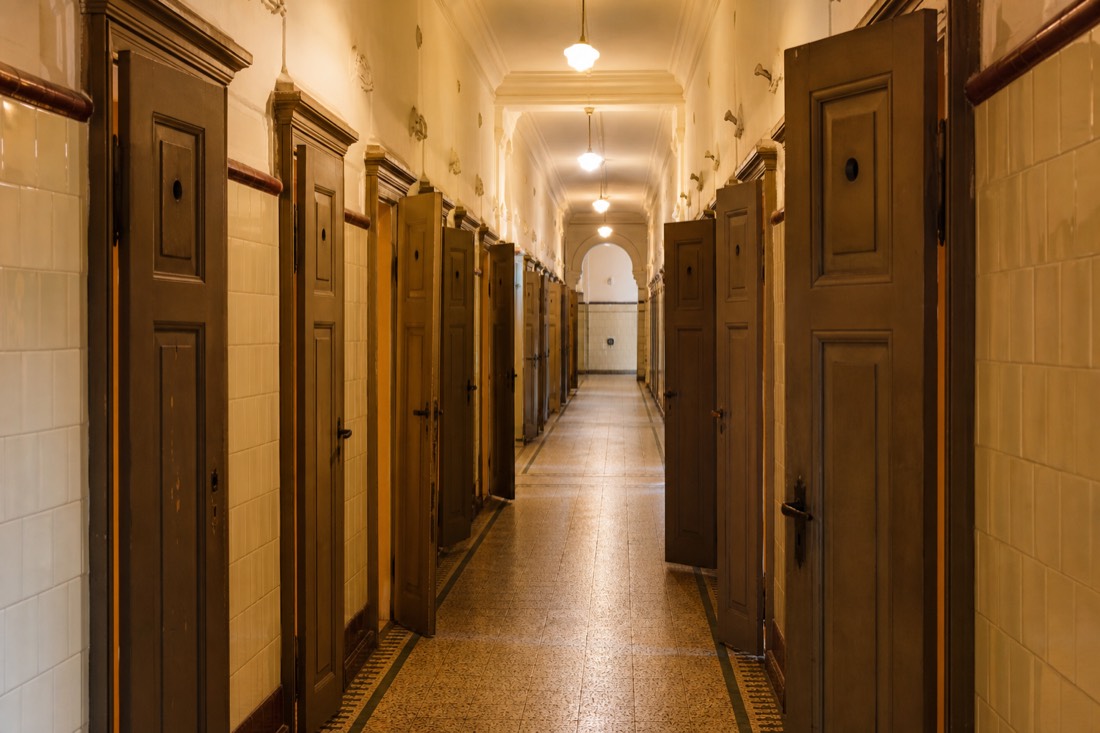
| Changing hall | Twenty minutes | Cabin versus locker choice; groups sharing one cabin, then lockers, move faster |
| First hot soak | About twenty minutes | Széchenyi's official guidance for the hottest medicinal pools is roughly a twenty-minute soak, then a break |
| Cooler pool, swim, steam | Forty minutes to an hour | The 50 m pool asks for a swim cap for lap swimming; the leisure pool needs nothing |
| Rest and a drink | Half an hour | On-site food and drink is pricey by guest accounts; a snack from outside saves a queue |
| Dry off, dress, walk out | Twenty-five minutes | Wet hair in winter, and one last look at the courtyard |
Add it up and a modest Széchenyi visit from a downtown hotel comes to a solid three hours door to door, and that is with one soak cycle. Most people do two or three cycles, which is why the Széchenyi full-day pass is the sensible product: it does not clock you out. Timing matters at the ends of the day too. Weekday opening is 07:00 and weekend opening 08:00, closing 20:00 except Friday's 22:00, so a Sunday-morning soak from a hotel across the river means leaving before breakfast is served. My guide to the best time to visit Széchenyi goes deeper on which hours are quiet, and my booking-ahead guide covers why the dated ticket removes the entrance-queue variable altogether.
What does a hotel's spa page actually mean when it says thermal?
Read the wording as a ladder. "Wellness area" or "pool" usually means heated municipal water; "spa" adds treatments and a sauna; "thermal" on its own tells you nothing about the source; "thermal water" or the Hungarian gyógyvíz means a spring feeds the pool. Only that top rung is the real thing, and even it can close for maintenance.
Hotel copywriters are not lying, exactly, they are just generous with a word that has a precise meaning in this city. Hungary classifies medicinal water legally, the public baths carry that status, and Széchenyi's water rises from a well 1,246 metres deep, per budapestinfo.hu, the second deepest in Budapest. A hotel pool heated by a boiler is a different object, whatever the brochure calls it. Here is the decoder I give guests who send me screenshots of spa pages.
| Rung | Typical wording | What it usually means | What to do |
|---|---|---|---|
| 1 | "Wellness area", "indoor pool", "fitness and pool" | Heated municipal water, loungers, maybe a sauna | Enjoy it as a hotel pool; plan a real bath day separately |
| 2 | "Spa", "treatments", "massage menu" | Rung 1 plus paid services | Same as above; treatments do not change the water |
| 3 | "Thermal spa", "thermal experience" | Ambiguous; the word is doing marketing work | Email and ask, in plain words, whether the pool is spring-fed |
| 4 | "Thermal water", "medicinal water", gyógyvíz, termálvíz | A named spring supply, the genuine article | Check current access hours for guests and any maintenance notice |
| 5 | "The bath next door" | The hotel sits beside a public bath and says so | The best rung of all; the bath is the spa |
Two Hungarian words earn their place on your phone. Termálvíz is thermal water, gyógyvíz is medicinal water, and fürdő is bath; if a hotel's Hungarian page uses the first two about its own pool, that is a stronger signal than any English superlative. What the water is supposed to do for you is a separate question, and one I keep honest in my page on thermal water and what it can and cannot claim. Where it all comes from, the springs under the city, is the better story anyway.
Where does Gábor tell bath-first visitors to base themselves?
By trip type, not star rating. First-timers with two nights go along the M1 between Oktogon and City Park. Sparty groups sleep as near the park as they can for the late walk home. Couples who want Ottoman domes take the Buda riverfront. Families with children under 14 base downtown, since Széchenyi's medicinal pools are off-limits to them anyway.
After a few years and, by my own count, more than a thousand travellers walked to a bath door, the patterns are steady enough to write down. These are standing rules of thumb, not one-off stories, and they hold as long as the baths keep their current shape.
| Who you are | Where I send you | The standing reason |
|---|---|---|
| First visit, two or three nights | M1 corridor between Oktogon and City Park | One line, no changes, early arrival at Széchenyi without an alarm-clock war |
| Sparty group, Saturday night | As close to City Park as budget allows | The event is 18+, runs late, and the walk home beats a taxi queue; see my own first Sparty night |
| Couple chasing the Ottoman mood | Buda riverfront near Gellért Hill | Rudas at walking distance, dinner in Pest as a planned crossing, not a chore |
| Family with children under 14 | Downtown fifth district | The medicinal pools exclude under-14s, so the day is built differently; my baths-with-kids guide has the plan |
| Repeat visitor after the local rhythm | Buda side near Margaret Bridge, or anywhere on a tram line | Veli Bej and Lukács are on that side, and the local baths are a tram ride from most places |
| Winter visitor | Walking distance to your main bath | Wet hair and a cross-town journey in January is the mistake I see most; winter bath notes here |
The mistake I correct most often is people optimising for the hotel with the best breakfast, then discovering it is on the wrong bank for the bath they flew in for. The second is a group of friends booking a Buda hilltop view for a Sparty weekend and pricing the late-night crossing only afterwards. Neither is a disaster. Both are avoidable with the table above and ten minutes on a map. Sort the ticket, then the bank, then the bed, in that order.
Which neighborhood is best for Széchenyi?
The City Park edge puts the bath within walking distance, and anywhere along Andrássy Avenue or the M1 metro line is nearly as good, since the line stops at Széchenyi fürdő station beside the entrance. Downtown Pest works too; the ride up is short and direct.
Do any Budapest hotels have real thermal pools?
A few genuinely tap thermal water, but the list is short and access rules change with renovations and seasons. Check the specific hotel's own spa page for the words "thermal water" before booking, and treat it as a bonus rather than the plan. The public baths deliver far more water, heat range and atmosphere.
Is Buda or Pest better for a bath trip?
Pest, if Széchenyi is the goal, since City Park and the M1 line are on that side. Buda, if you are set on Rudas at the foot of Gellért Hill or Veli Bej near Margaret Bridge. Downtown Pest is the compromise that keeps everything reachable.
Can I stay near Gellért and use its famous bath?
Not at the moment. Gellért has been closed since 1 October 2025 and is expected to reopen in 2028. Rudas is the nearby working alternative on the same bank, a short walk along the river.
Where should I stay for Sparty?
Sparty happens at Széchenyi on Saturday nights and finishes late, so a hotel near City Park or along the M1 keeps the walk home short. From downtown, plan on a taxi back; it is an 18+ event and the metro night is long gone by the end.