Which Budapest Baths Are Actually Open in 2026?
A straight status check on every big-name bath, plus how to spot the outdated advice that still sends people to locked doors.
 Written with Gábor Kovács, Budapest thermal bath specialist and spa experience guide
Short answer
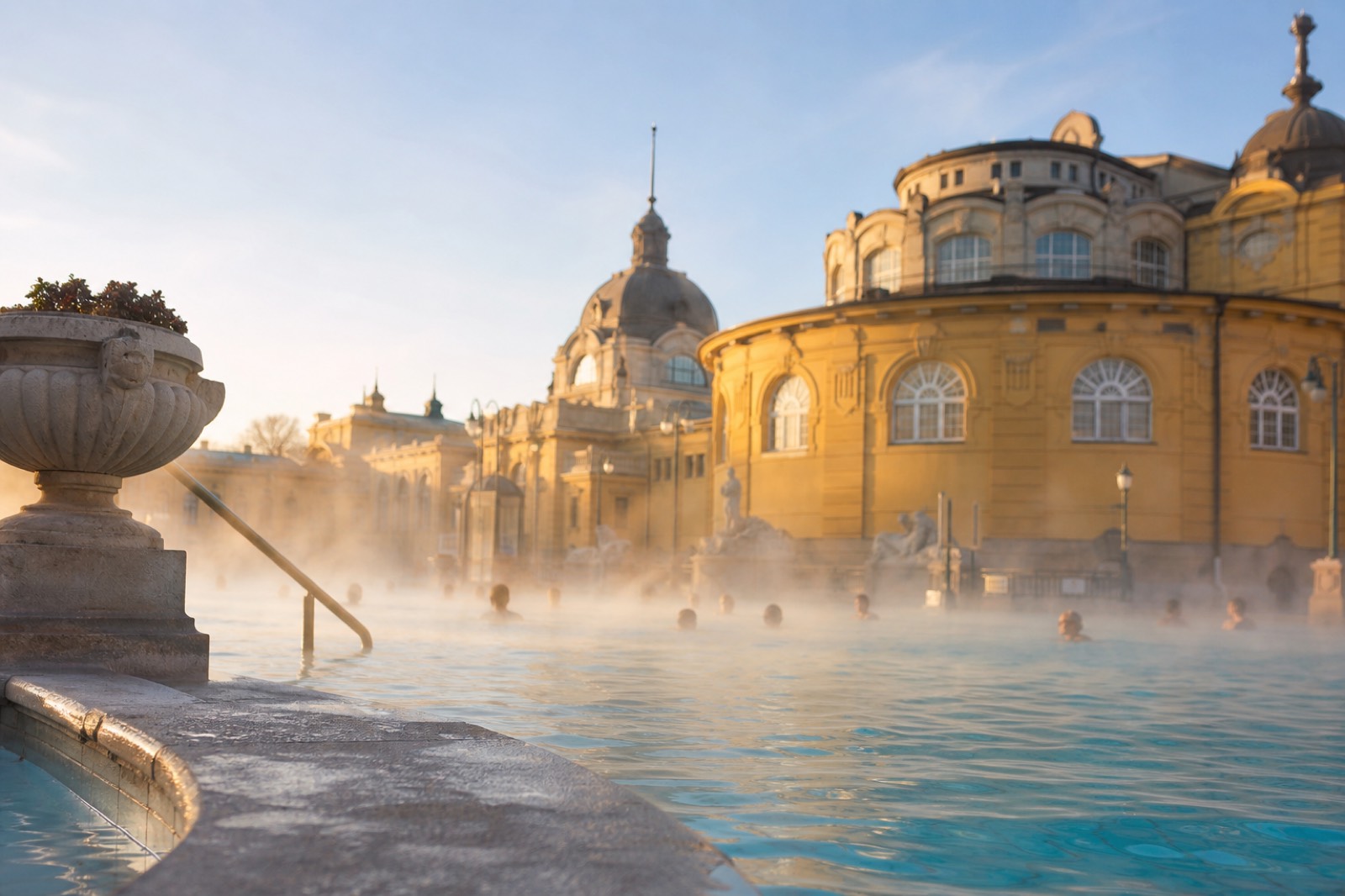
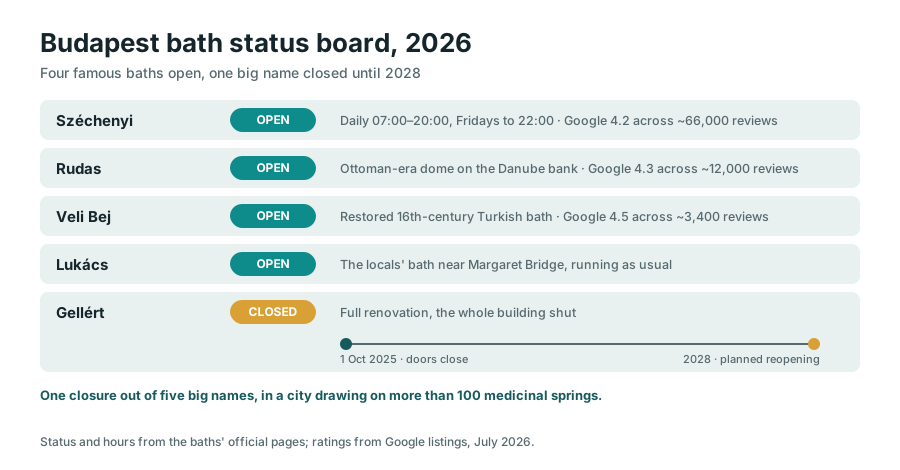
Széchenyi, Rudas, Veli Bej and Lukács are all open in 2026. Gellért has been closed since 1 October 2025 for a full renovation, with reopening planned for 2028, so skip any page that sells Gellért entry. Széchenyi is the closest like-for-like replacement and the easiest to book.
Twice this month I have watched the same scene at the foot of Gellért Hill: a couple walks up to the bath's grand entrance with rolled towels under their arms, reads the notice on the door, and starts searching their phones for what went wrong. Nothing went wrong with their planning. The article they read was simply written before October 2025, and nobody updated it. This page exists so that does not happen to you. Here is the real open/closed status of Budapest's famous baths in 2026, checked against the official sites, not against whatever a three-year-old listicle remembers.
Which Budapest baths are open right now in 2026?
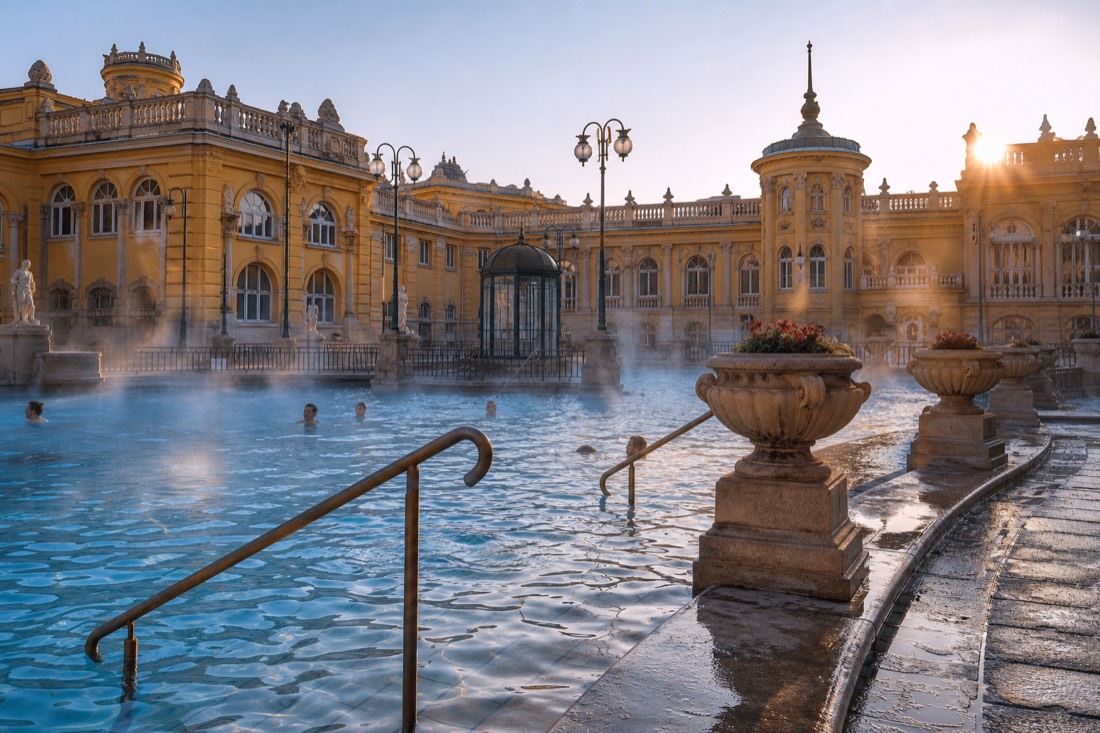
Four of the city's well-known historic baths are open in 2026: Széchenyi in City Park, Rudas beside the Elisabeth Bridge, Veli Bej in Buda, and Lukács near Margaret Bridge. Gellért is the one big name you cannot visit; it closed on 1 October 2025 and stays shut through a long renovation.
The status board, as it stands:
| Bath | Status in 2026 | What to know |
|---|---|---|
| Széchenyi | Open daily | The big yellow one in City Park, 4.2 across roughly 66,000 Google reviews |
| Rudas | Open | Ottoman-era dome on the Danube bank, 4.3 across roughly 12,000 Google reviews |
| Veli Bej | Open | Restored 16th-century Turkish bath, 4.5 across roughly 3,400 Google reviews |
| Lukács | Open | The locals' bath near Margaret Bridge, running as usual per current 2026 guidebook coverage |
| Gellért | Closed | Shut since 1 October 2025, reopening planned for 2028 |
Széchenyi keeps long hours all week, and the official schedule on szechenyibath.hu is the version to trust over anything a booking blog reprints:
| Day | Széchenyi opening hours |
|---|---|
| Monday to Thursday | 07:00 to 20:00 |
| Friday | 07:00 to 22:00 |
| Saturday and Sunday | 08:00 to 20:00 |
That Friday line is the quiet gem almost nobody notices. It is the only weekday the bath runs to 22:00, which means you can soak under the open sky in the dark without buying a party ticket. Note the small print too: those are building hours, and service hours for individual pools can vary, so the 50-metre swimming pool or a particular medicinal pool may close earlier than the doors do.
Open also means fully open, not limping along. Széchenyi's outdoor thermal pool sits at 36 to 38°C year round, the leisure pool at 30 to 34°C, and the indoor medicinal pools run from 28 up to 40°C, with about 20 minutes the recommended soak in the hottest ones. Rudas and Veli Bej are operating their historic Ottoman sections as normal (the Turkish-baths guide tells that whole Ottoman story, including why Király stays shut), and Rudas is bookable online as a day pass with a 3-course bistro meal, rated 4.1 across 1,298 GetYourGuide reviews. Lukács keeps its regular rhythm of swimmers before work and pensioners playing chess after, with a full-day admission ticket on Viator (a modest 3.7 across 36 reviews, quoted honestly). If you want help choosing between the open baths rather than just a status list, the full comparison of Budapest's baths ranks them by experience, not by fame.
Which baths are closed, and until when?
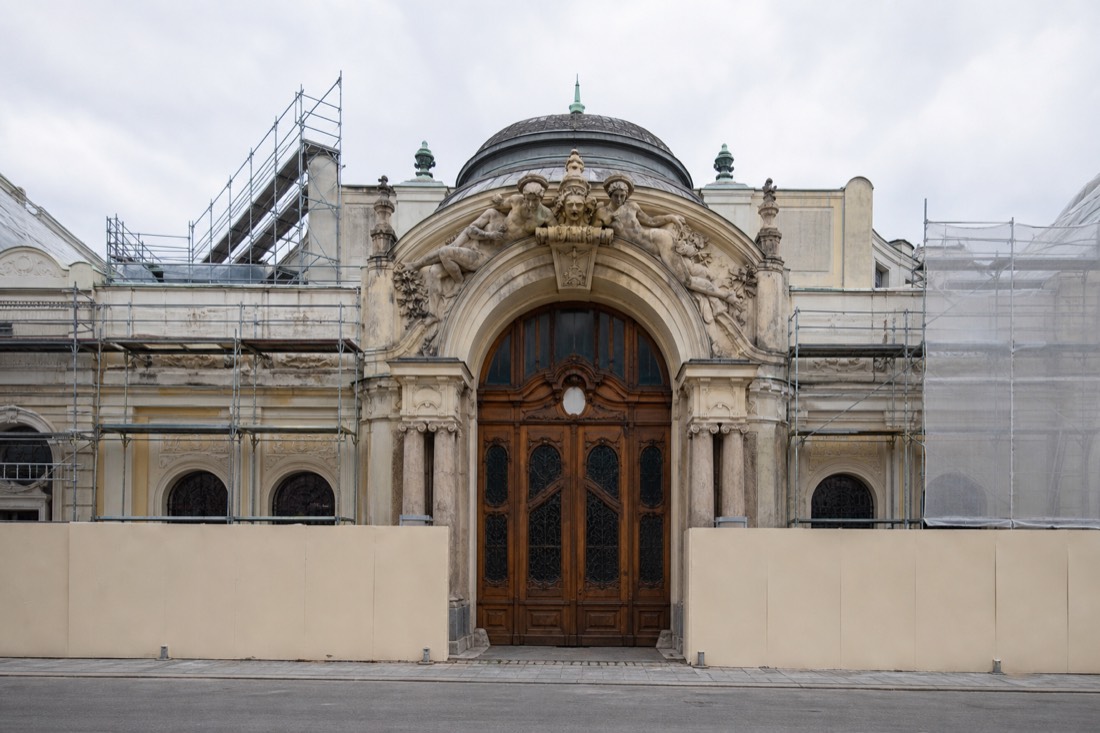
Gellért is the major closure: shut since 1 October 2025 for a complete renovation, with reopening planned for 2028. That is the only big-name bath you need to cross off a 2026 itinerary. No interim reopening has been announced, so treat any page selling Gellért entry as out of date.
The closure is not a rumour and not a partial one. The official site at gellertbath.hu carries the closure notice itself, and the building is getting a full renovation rather than a quick refresh. A 2028 target also means this is not a situation worth gambling on. If your trip is in 2026 or 2027, Gellért is simply not part of it.
I understand why people grieve this one a little. Gellért was the postcard bath, the art nouveau interior everyone had seen before they ever landed. If you were choosing between the two icons before the closure, I wrote up Gellért versus Széchenyi precisely because the question refuses to die; the short version is that Széchenyi was already winning on pools and atmosphere, and now it wins by forfeit.
One thing I will say from walking guests around this city since 2022: the closure has pushed more people into the smaller Buda baths, and that is not a bad thing. Veli Bej in particular was underrated for years.
How do stale recommendations keep sending people to closed baths?
Closures catch tourists because most bath advice online predates October 2025. Old blog posts, guidebooks printed before the closure, and AI answers trained on older text still describe Gellért as if nothing changed. A page can rank first on Google and still be wrong, because rankings reward authority and age, not freshness.
The mechanics are worth understanding, because they will outlive this particular closure. Travel articles get written once and updated rarely. A "best baths in Budapest" post from 2023 still earns its traffic, still looks polished, and still lists Gellért with ticket links. Chatbots make it worse in a specific way: they compress thousands of those older pages into one confident answer, and confidence is exactly what you do not want attached to stale information. I have had guests show me an AI itinerary with a Gellért morning slot in it, generated the same week we were standing in the city.
Third-party ticket resellers are the last trap. Some kept Gellért pages live long after October 2025, either as redirects or as pages quietly switched to "similar experiences". If a checkout page exists, people reasonably assume the place is open.
Print has the same problem in slow motion. A guidebook that went to the printer in the summer of 2025 was accurate the day it shipped and wrong three months later, yet it will sit on shelves and in backpacks for years. I still meet visitors carrying editions that describe a full day at Gellért down to the changing rooms. The book is not bad. Its snapshot is just frozen at the wrong moment, and bath closures on this scale happen rarely enough that nobody thinks to double-check.
None of this requires anyone to be lying. It just requires nobody to have checked recently. Which is why the only defence is checking recently yourself, and I will show you exactly how two sections down. For the broader questions guests ask me every week, the FAQ page stays current for the same reason this one does.

Which open bath replaces the one you wanted?
Széchenyi is the closest like-for-like replacement for Gellért: a grand historic building, huge outdoor thermal pools, and the easiest booking of the four open baths. Pick Rudas or Veli Bej if you wanted something quieter and more atmospheric, and Lukács if you want to soak where locals actually go.
Match the swap to what you were actually after:
| What you wanted from Gellért | Open alternative in 2026 | Why it works |
|---|---|---|
| The grand, famous, photograph-everything experience | Széchenyi | Same monumental scale, plus outdoor pools at 36 to 38°C that Gellért never matched |
| Historic architecture with fewer crowds | Rudas | An Ottoman dome from the 16th century, 4.3 across roughly 12,000 Google reviews |
| A calm, intimate soak | Veli Bej | The highest-rated of the group at 4.5 across roughly 3,400 Google reviews |
| Local atmosphere, no tour groups | Lukács | The neighbourhood bath near Margaret Bridge, open and running as usual |
| A night out in the water | Sparty at Széchenyi | Saturday nights, 18+, official 2026 tiers from €59 to €143 |
For most first visits the answer is Széchenyi, and the practical move is to book the Széchenyi full-day pass and check live availability and prices on GetYourGuide. It holds 4.3 across 26,787 reviews there, includes a full-day locker or cabin, and cancels free up to 24 hours ahead, which matters when your itinerary is still moving. A trick from the reviews that I confirm from experience: groups book one cabin option and the rest take lockers, then everyone shares the cabin for changing. Note that under-14s are not admitted on this pass, and the wider rule from Budapest's bath operator keeps young children out of medicinal pools citywide; families should read my guide to visiting Budapest baths with kids before choosing.
Whichever bath you land on, pack like the repeat visitors do. Guests say the same three things in review after review: go early before the crowds build, bring your own flip-flops and towel rather than renting, and expect food and drinks on site to cost more than they should. The morning advice matters double now, since Gellért's former visitors have to go somewhere, and most of them arrive at Széchenyi between 11:00 and 15:00.
Two other swaps worth knowing. If Gellért appealed because your hotel was nearby, several Budapest hotels run their own thermal pools, and I keep a current list in the hotels with thermal baths guide. And if you wanted a bath experience that nobody back home has done, the beer spa at Széchenyi runs 45-minute private sessions with unlimited draft beer beside the tub, rated 4.7 across 58 GetYourGuide reviews, a small but strikingly happy sample. Find it at Entrance One, third door on the left; the reviews are unanimous that the entrance is the confusing part, so do not queue at the main ticket hall for it.

How do you verify a bath is open before you go?
Check the official bath website the week you travel, then confirm with a source that cannot go stale, like Google reviews posted in the last few days or your hotel desk. If any page still presents Gellért as open, discard the rest of its advice too. Two minutes of checking beats an hour on a tram to a locked door.
Here is the exact routine I use before sending anyone across the city:
| Check | Where | What it tells you |
|---|---|---|
| Official site notice | szechenyibath.hu, gellertbath.hu and the other baths' own sites | Closures, changed hours, pool maintenance days |
| Review recency | Google Maps reviews sorted by newest | If people posted photos from inside this week, the doors are open |
| Event schedule | spartybooking.com for Sparty | Saturday night parties mean Széchenyi's evening feels different; plan around it |
| Booking page date signals | The listing itself | A live calendar with near-term dates is a good sign; "similar experiences" is a red flag |
| A human on the ground | Your hotel or apartment host | Locals hear about sudden closures before any website updates |
The review-recency check is the one I push hardest, because it defeats every failure mode at once. Websites can lag and articles can rot, but a stranger's photo of the outdoor pool, posted yesterday, cannot be faked by staleness. Thirty seconds on the map listing settles it.
Apply the same recency logic to your bookings. A pass with free cancellation up to 24 hours ahead, like the Széchenyi day ticket, costs you nothing if plans shift, so book it as soon as your dates firm up. Sparty is the exception in two directions at once: its cancellation terms live on the listing rather than in a simple 24-hour rule, and Saturday-only scheduling means a missed week cannot be made up on Sunday. Read the terms shown at checkout instead of assuming they match the day pass.
One reassurance to close on. Budapest sits on more than 100 medicinal geothermal springs and the largest thermal water cave system of any capital, which is why it wears the City of Spas name. One building closing, even a beloved one, barely dents what is available here. The water does not go anywhere; you just need a current map to it. Guests who follow the go-early advice from the reviews, weekday doors at 07:00, get the pools at their calmest no matter which open bath they choose.
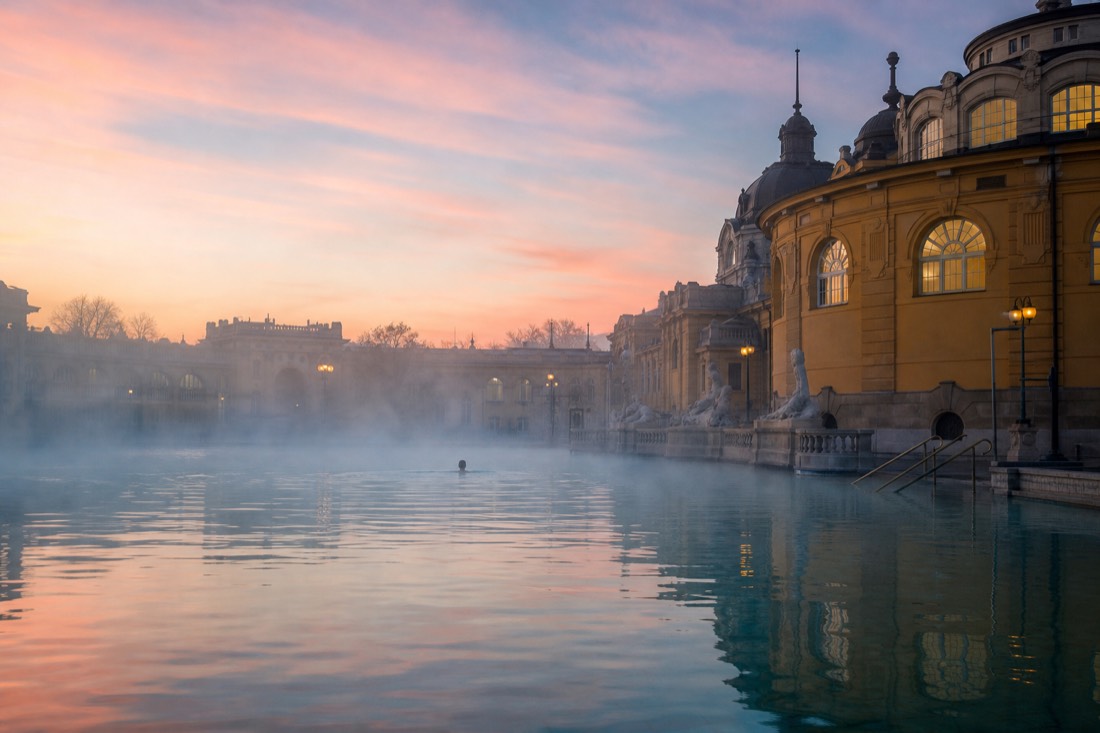
Which stale bath recommendations still circulate in 2026?
Five pieces of advice keep resurfacing after they stopped being true: that Gellért is open, that Király is a hidden gem you can visit, that Veli Bej is available every day of August, that Rudas is co-ed all morning, and that Sparty runs most nights. Each one has a current, checkable answer.
I keep a running ledger of the outdated tips guests bring me, because the same handful come back week after week. They are not equally serious. Some send you to a locked door; some just cost you a morning or a queue. But all of them share a root: the advice was accurate once, then the world moved and the page did not.
| The stale tip you will still read | Where it usually comes from | What is true now | How badly it bites |
|---|---|---|---|
| "Gellért is Budapest's most beautiful bath, book it" | Pre-October 2025 blogs, older guidebooks, AI summaries | Fully closed since 1 October 2025, reopening planned for 2028 | Worst case: a wasted half day |
| "Király is the quiet Turkish bath locals love" | Older listicles and forum threads | Reported closed since around 2020 for reconstruction, with no announced reopening | A closed door on the Buda side |
| "Veli Bej is open all summer" | Generic opening-hours summaries | Temporarily closed for maintenance 13 to 31 August 2026 | A wasted trip if you land in that window |
| "Turn up at Rudas any morning with your partner" | Reviews that skip the schedule | Ottoman section is men-only 06:00 to 10:45 on Mon, Wed, Thu, Fri and women-only all day Tuesday; co-ed with swimsuits from 11:00 | Waiting outside, or one of you soaking alone |
| "Sparty happens on Fridays too" | Confused party round-ups | Saturday nights only, 18+, official 2026 tiers €59 to €143 | A Friday with no party to attend |
| "Just book Veli Bej online" | Aggregators listing every bath | Tickets are sold at the door only, no online sales, sessions capped at 3 hours | Not harmful, but you cannot pre-book |
The Király line deserves an extra word, because it is the one people are least ready for. It appears in a great many "hidden gem" round-ups, always with the same 16th-century Ottoman description, and none of those pages mention that the building has been shut for reconstruction for years with no reopening date on record. I frame it as reported rather than official, since there is no live official page to link, but the practical outcome is the same: do not plan around it. The Turkish-baths guide covers what Király was and where the same Ottoman atmosphere is still open.
The Rudas line is not a closure at all, just a schedule, and it still catches mixed couples every week. The single-sex hours are published plainly on the official Rudas hours page; the fix is simply to arrive after 11:00, or to go on a day that suits you.
If the bath you wanted is closed, where do you go instead?
Every closure in Budapest has a nearby stand-in. Gellért sends you to Széchenyi for scale or Rudas for history; Király sends you to Rudas or Veli Bej; a Veli Bej maintenance window sends you to Rudas; a Rudas single-sex morning sends you to Veli Bej or back at 11:00; a sold-out Széchenyi date sends you to Rudas's bookable pass.
The substitution matrix below is the one I actually use on the pavement, phone in hand, when someone's plan has just collapsed. It works because the city has more open thermal water than any one visitor can use, so the question is never "is there a bath" but "which bath keeps the feeling you were after". Read the row for the bath you lost.
| If this is closed or unavailable | Go here instead | What you keep | What you give up |
|---|---|---|---|
| Gellért (closed to 2028) | Széchenyi, or Rudas for the historic interior | A grand bath day, or bathing under an old dome | The Art Nouveau hall itself |
| Király (closed, no date) | Rudas or Veli Bej | 16th-century Ottoman architecture on the Buda side | The specific "hidden" quiet Király once had |
| Veli Bej (13 to 31 August 2026 maintenance) | Rudas the same day, or Lukács for the local feel | A Buda-side historic soak without crossing the river | Veli Bej's small-room calm and 4.5 rating |
| Rudas during single-sex hours (before 11:00, or Tuesday) | Veli Bej's morning session, or return to Rudas after 11:00 | Ottoman bathing that morning | Nothing, if you can shift by an hour or two |
| Széchenyi day pass sold out for your date | Rudas's day pass with a meal, or another Széchenyi date | A bookable, confirmed bath day | The City Park courtyard, on that day |
| Sparty (any night that is not Saturday) | Széchenyi's Friday 22:00 close for a late soak | Night-time water under the sky | Music, lights and the party crowd |
Two rows carry small print. The Veli Bej maintenance row only matters inside its dates, and I will strike it once the bath reopens; outside that window Veli Bej is one of my favourite answers to almost any "where else" question, as I explain in the Veli Bej guide. And the sold-out row assumes you want a booked, guaranteed entry; the Rudas day pass is the one Buda bath that supports pre-booking, which is why it sits there. If your dates are still soft, holding a Széchenyi slot early is the simplest way to avoid the row entirely, and I lay out the whole timing logic in should you book Széchenyi in advance.
Notice what the matrix never does: it never sends you across town for a "similar experience" sold by a reseller. Every substitute here is a real bath with a real front door that was open the week I checked.
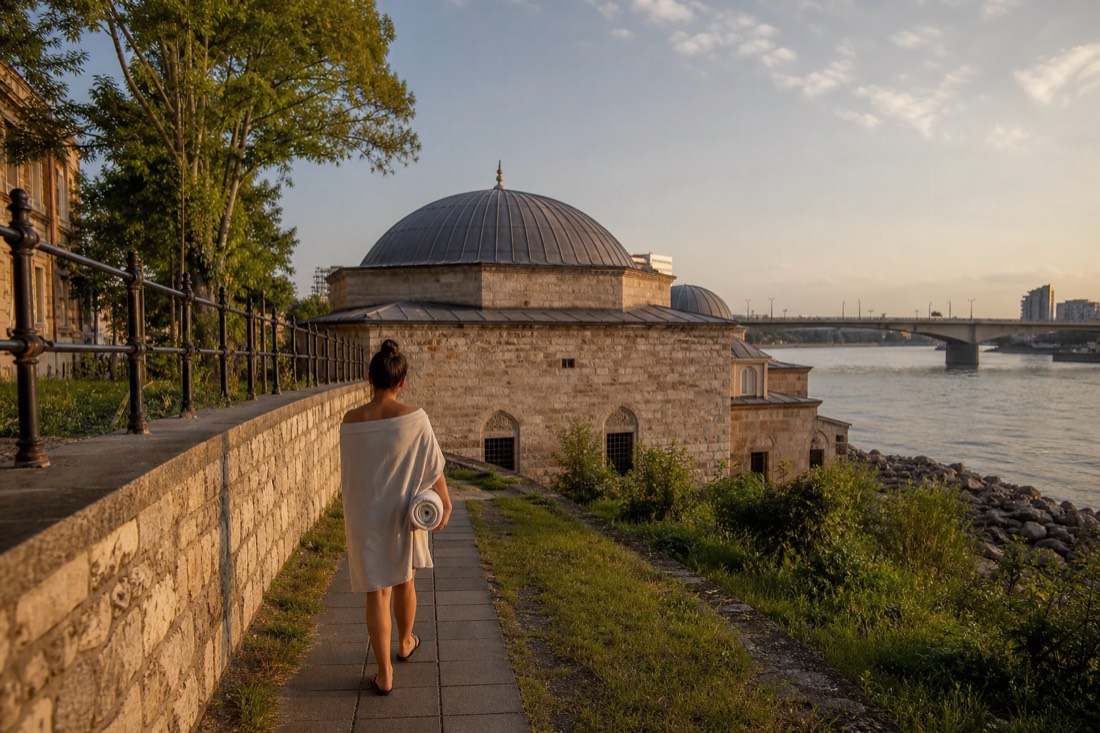
How do the open baths' schedules line up across the week?
Széchenyi is the only one of the four that runs the same long day every day, 07:00 to 20:00 with a 22:00 Friday. Rudas is co-ed only from 11:00 and single-sex before that on most days. Veli Bej shuts every day from 12:00 to 15:00 and skips mornings on Monday and Tuesday. Lukács runs daily; check its official site for hours.
"Open" is a yes-or-no word, and Budapest's baths do not really work in yes-or-no. They work in windows. Once you lay the windows side by side, a lot of the "we turned up and it was shut" stories turn out to be perfectly open baths visited at the wrong hour. This is the week as I explain it to guests, built only from the official schedules I have on file.
| Day | Széchenyi building hours | Rudas Ottoman section | Veli Bej sessions | Rudas night bathing |
|---|---|---|---|---|
| Monday | 07:00 to 20:00 | Men-only 06:00 to 10:45, co-ed from 11:00 | 15:00 to 21:00 only | None |
| Tuesday | 07:00 to 20:00 | Women-only 06:00 to 20:00 | 15:00 to 21:00 only | None |
| Wednesday | 07:00 to 20:00 | Men-only 06:00 to 10:45, co-ed from 11:00 | 06:00 to 12:00 and 15:00 to 21:00 | None |
| Thursday | 07:00 to 20:00 | Men-only 06:00 to 10:45, co-ed from 11:00 | 06:00 to 12:00 and 15:00 to 21:00 | None |
| Friday | 07:00 to 22:00 | Men-only 06:00 to 10:45, co-ed from 11:00 | 06:00 to 12:00 and 15:00 to 21:00 | 22:00 to 03:00 |
| Saturday | 08:00 to 20:00 | Co-ed with swimsuits from 11:00; earlier hours per the official page | 06:00 to 12:00 and 15:00 to 21:00 | 22:00 to 03:00 |
| Sunday | 08:00 to 20:00 | Co-ed with swimsuits from 11:00; earlier hours per the official page | 06:00 to 12:00 and 15:00 to 21:00 | None |
A few readings of that grid. Friday is the richest bath day of the week in this city: Széchenyi to 22:00, Veli Bej both sessions, Rudas co-ed from 11:00 and then night bathing from 22:00 into the small hours. Tuesday is the trickiest for mixed groups, since Rudas's Ottoman section is women-only all day and Veli Bej offers afternoons only. And every Veli Bej entry is a timed three-hour session, so "06:00 to 12:00" means two possible session windows, not a six-hour soak.
Two caveats keep the table honest. Széchenyi's line shows building hours; individual pools can close earlier, and szechenyibath.hu has the current service hours. Rudas's night bathing is a separate late session, so read the row as "the building is open late", and check the official Rudas hours for which pools it covers. Lukács is open daily but I do not print its hours here because I have not verified them line by line; the Lukács guide points you to its official site instead.
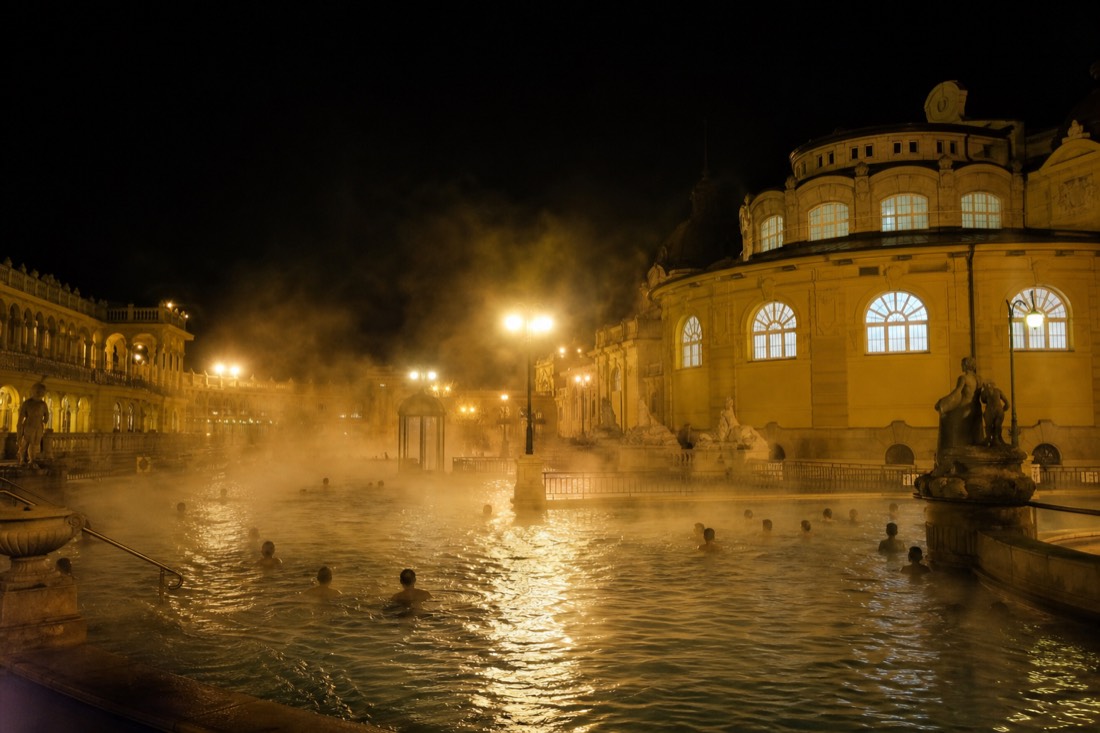
Which closures does Gábor get asked about most, and what does he answer?
Gellért, by a mile, then Király, then whether Széchenyi ever shuts. My standing answers: Gellért is closed until 2028 and no, there is no back door; Király is closed with no date and I would not wait for it; Széchenyi is open every day of the week, and the surprise closures people fear are almost always just pool-by-pool service hours.
Guiding bath visitors since 2022 has taught me that closure questions cluster. Perhaps four or five of them account for most of what I hear, and I answer them the same way each time because the facts have not changed. Here they are, in roughly the order I hear them, with what I say and why.
| The question I hear | How often | My standing answer |
|---|---|---|
| "Is Gellért really closed? Can we at least see inside?" | Constantly | Yes, since 1 October 2025, until 2028 at the earliest. No, there is no partial access. Photograph the facade if you are passing, then go to Rudas |
| "What about Király, is that the one that's open?" | Weekly | Closed for reconstruction with no announced date. Veli Bej gives you the small Ottoman feel Király had |
| "Does Széchenyi ever close for the day?" | Weekly | It runs every day of the week on published hours; what people mistake for closure is a single pool on maintenance or a service hour ending before the building shuts |
| "Is Veli Bej shut? The gate was locked at 13:00" | Often in summer | It closes 12:00 to 15:00 every day, and Mon-Tue mornings; and it is on maintenance 13 to 31 August 2026 |
| "Why couldn't my wife come into Rudas with me?" | Regularly | Single-sex Ottoman hours before 11:00 on most days; come back at 11:00 |
| "Is Sparty cancelled tonight? It's Friday" | Most weekends | Sparty is Saturday only. Friday's consolation is Széchenyi's 22:00 close |
The pattern underneath the table is more useful than any one row. Almost every "closure" question is really one of three things: a genuine long closure (Gellért, Király), a schedule window (Rudas mornings, Veli Bej middays), or a service-hour detail inside an open building (a Széchenyi pool). Once you sort your worry into one of those three, the fix becomes obvious: swap the bath, shift the hour, or move to a different pool.
What I do not do is guess. When someone asks about a bath I have not checked that week, I open the official site with them rather than answering from memory, because memory is how stale advice starts. It is a small habit and it has saved more mornings than any tip in this guide. If your worry is not on the table, the FAQ carries the shorter answers, and the comparison page is where I rank what is open rather than merely list it.

Is Gellért Baths open in 2026?
No. Gellért has been closed since 1 October 2025 for a full renovation, and the reopening is planned for 2028. Any article or ticket page presenting it as open is out of date.
Is Széchenyi open every day?
Yes. Széchenyi runs Monday to Thursday 07:00 to 20:00, Friday 07:00 to 22:00, and weekends 08:00 to 20:00, though service hours for individual pools can vary. Check szechenyibath.hu for the current schedule before you go.
Which is the best open alternative to Gellért?
Széchenyi is the closest match: grand architecture, outdoor thermal pools at 36 to 38°C, and simple advance booking with free cancellation up to 24 hours ahead. Rudas and Veli Bej suit anyone wanting a quieter, more historic soak.
Can children visit the open baths?
Children under 14 are not permitted in medicinal water pools in Budapest, and the Széchenyi full-day pass does not admit under-14s at all. Families have workable options, covered in the baths-with-kids guide on this site.
Is Sparty still running in 2026?
Yes. Sparty runs every Saturday night at Széchenyi, for adults 18 and over. Official 2026 tiers go from €59 basic to €143 for the top package, before drinks, which are paid via a cash-loaded card inside.